
Term 1 is underway, and classrooms across Hurstville, Penshurst, Kogarah, and the wider Georges River area are filling up again. New teachers, new challenges, new textbooks — and for many children, a new problem nobody notices straight away:
They can’t see the board clearly. And they have no idea that’s not normal.
Uncorrected vision problems are one of the most overlooked barriers to learning in Australian classrooms. Research suggests up to
1 in 5 school-age children has an undetected vision problem — and the start of a new school year is the single best time to catch it early.
Why the Start of Term 1 Is the Most Important Time for a Children’s Eye Exam
Children rarely complain about blurry vision. From their perspective, the way they see the world is simply the way the world looks. Squinting at the whiteboard, moving closer to the TV, avoiding sport — these behaviours creep in gradually and are easy to dismiss as habits or personality quirks.
A comprehensive eye examination at the beginning of the school year establishes a clear baseline for your child’s vision. If myopia is developing — or already progressing — early Term 1 detection means we can start management immediately, before a full year of schoolwork takes place under compromised vision.
5 Signs Your Child May Need an Eye Test Before Term Gets Busy
Watch for these behaviours now that school routines are back in full swing:
1. Squinting or tilting their head to see the board
A tell-tale sign of myopia. Teachers across Georges River schools often notice this before parents do — if your child’s teacher has flagged it, don’t wait.
2. Headaches after school or homework
End-of-day headaches are a classic sign of eye strain caused by uncorrected vision. Many parents attribute this to screen fatigue alone — but the root cause is often the eyes working overtime to compensate for blurry distance vision.
3. Losing interest in sport or avoiding outdoor play
Children with undetected myopia often struggle with fast-moving ball sports. If your child was previously active but seems to be withdrawing from sport this term, vision could be a factor.
4. Holding devices very close to their face
This is one of the most commonly misread signs. Parents often assume their child is “too close to the screen” out of bad habit. In reality, it may be how they’re compensating for poor distance vision.
5. A prescription that’s changed since last year
If your child already wears glasses and their vision seems less sharp than usual, their myopia may be progressing. A prescription that changes at two or more consecutive exams is a clear signal that myopia control should be part of the conversation.
Myopia and the Classroom: A Growing Problem Across Georges River Schools
Myopia rates among Australian children are rising sharply — and the school environment is a significant driver. More near-work (reading, screens, close study) and less outdoor time during the day accelerate myopia onset and progression.
The good news is that for families in Hurstville and throughout Georges River Council, proven myopia control treatments are available right here locally. At Viewpoint Optical, we specialise in evidence-based myopia management, including:
- Orthokeratology (Ortho-K): Overnight lenses that correct vision and slow myopia progression by day. Ideal for active, sports-loving children.
- MiYOSMART Glasses by Hoya: Clinically proven to slow myopia progression by up to 60%. A great glasses-based option for younger children.
- Myopia Control Contact Lenses: Daily soft lenses that manage progression — no overnight wear required.
- Low-Dose Atropine Eye Drops: A simple nightly drop that reduces progression by approximately 50%. Perfect for children who aren’t ready for contact lenses.
One Simple Habit That Reduces Myopia Risk by 50%
While myopia control treatment is available once myopia develops, prevention is even better. Research consistently shows that two hours of outdoor time per day can reduce a child’s risk of developing myopia by up to 50%.
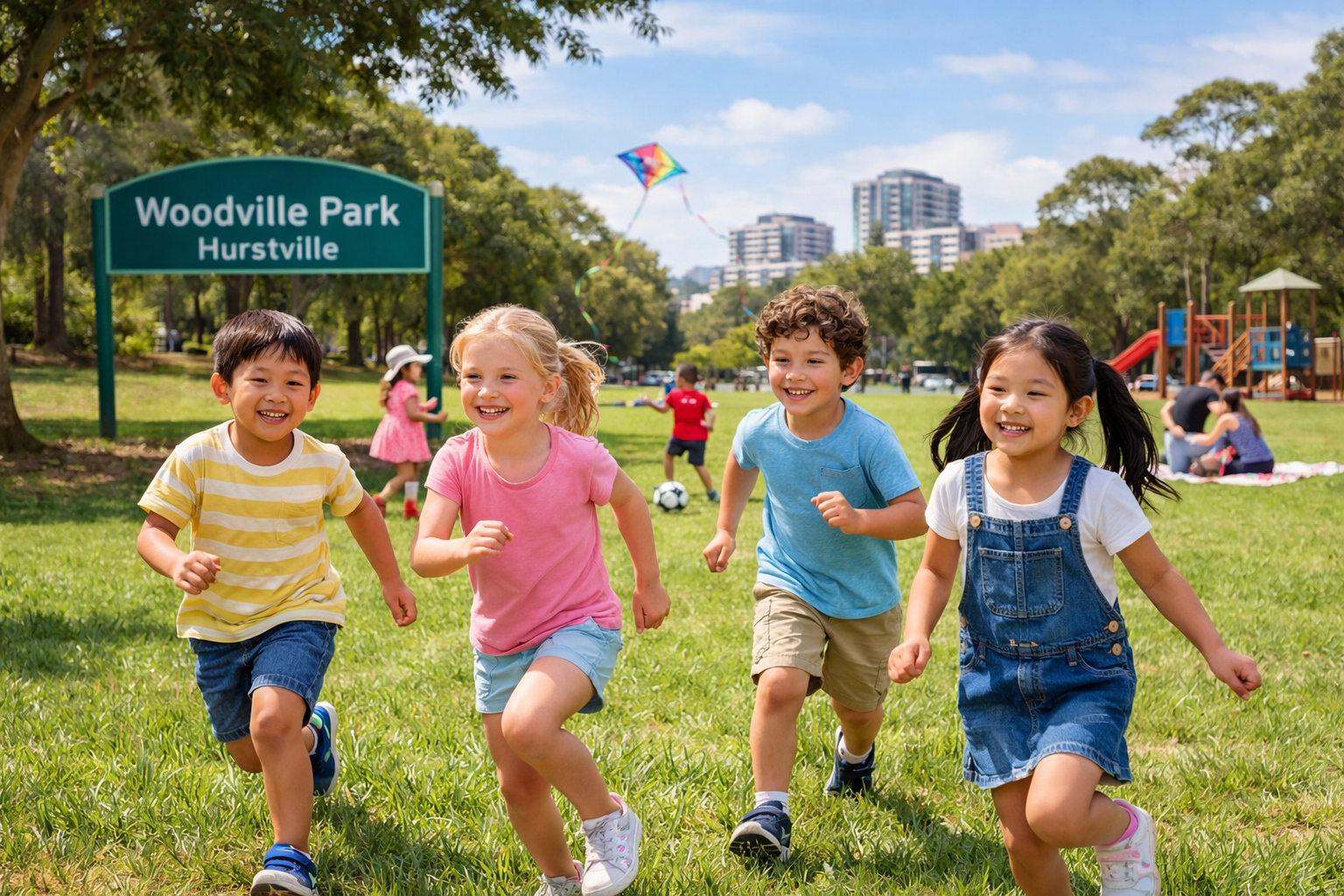
With Term 1 underway, encourage outdoor play during lunch breaks, afternoons at Hurstville’s local parks, and weekend activities away from screens. It’s the simplest, most evidence-backed thing you can do for your child’s vision before they even step into our practice.
How Often Should Children in Hurstville Have an Eye Test?
As a general guide:
- Before starting kindergarten: First comprehensive exam
- School-age children (no glasses): Every 12–24 months
- Children already wearing glasses or undergoing myopia management: Every 6–12 months, or as recommended by your optometrist
The beginning of Term 1 is the perfect natural reminder to get your child’s annual eye check done. Busy school terms have a way of passing quickly — book now while it’s front of mind.
Give Your Child the Best Start to the School Year
A healthy Term 1 starts with clear vision. Don’t let an undetected vision problem become an obstacle to your child’s learning, confidence, or enjoyment of school this year.
At Viewpoint Optical in Hurstville, we provide thorough, child-friendly eye examinations and offer the full range of evidence-based myopia control treatments for Georges River families. We’re located on Forest Road, just minutes from Hurstville Station and Westfield Hurstville, and easily accessible from Penshurst, Kogarah, Mortdale, and Oatley.
Book your child’s back-to-school eye exam today — call Viewpoint Optical on 02 8021 2298 or schedule online. Term 1 is the best time to act, and we’re here to help.